
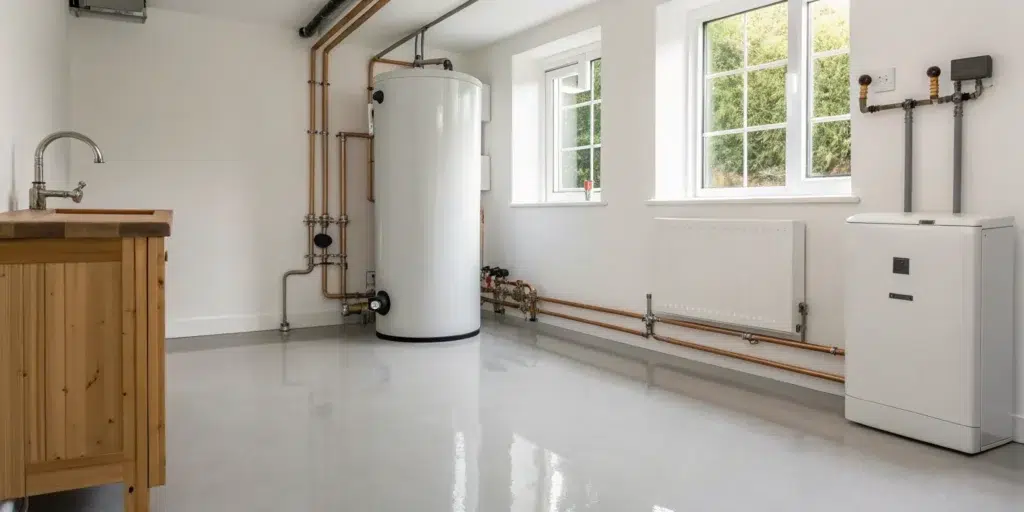
Let’s be honest, dealing with a broken water heater is a hassle. You’re suddenly faced with a flood of options and technical terms, all while you’re just trying to get the hot water back on. It can feel overwhelming, but it all comes down to one simple question: how much to install a water heater without any hidden fees or complications? We’re here to cut through the confusion. This guide will explain the costs in simple terms, outline what to expect during installation, and give you the confidence to choose the right unit and the right professional for the job, ensuring your home is safe and comfortable.
Need a Plumber in Fort Myers?
Whiskey Creek Plumbing has delivered five-star, fixed-price plumbing services to Southwest Florida homeowners and businesses since 2006. No surprises — just guaranteed work.
Locally owned & operated · Fixed-price guarantee · Serving Fort Myers since 2006
Key Takeaways
- Look beyond the sticker price: Your total cost includes the water heater itself, professional installation, and any necessary parts or permits, so it’s important to get a comprehensive quote that covers the entire job.
- Match the heater to your home’s needs: Balance your budget and long-term goals by choosing the right type of unit; a traditional tank is budget-friendly upfront, a tankless model offers endless hot water, and a hybrid provides the greatest energy savings over time.
- Always hire a licensed professional: Installing a water heater involves serious risks with gas, electrical, and plumbing lines. A professional installation is crucial for your safety, protects your manufacturer’s warranty, and guarantees the work meets local building codes.
What’s the Price Tag on a New Water Heater?
Let’s get straight to the point: you need a new water heater, and you want to know what it’s going to cost. It’s one of the most common questions we get, and the answer has a few moving parts. The final price isn’t just the sticker on the unit at the hardware store; it includes the water heater itself, professional installation, and any necessary parts or modifications to get it running safely. For most homeowners, the total cost for a new water heater installation can range from about $1,600 to $5,800. That’s a wide range, I know. The final number depends heavily on the type of heater you choose, its size, and the specifics of your home’s current plumbing setup. To give you a clearer picture and help you budget accordingly, let’s break down the typical costs for the three main types of water heaters you’ll be considering: the traditional tank, the modern tankless, and the high-efficiency hybrid model.
Tank Water Heater Installation
This is the classic, most common type of water heater found in homes across Fort Myers. For a traditional tank water heater, the unit itself can cost anywhere from $600 for a 40-gallon tank to over $3,000 for a large 80-gallon model. When you factor in labor, the installation cost alone typically runs between $1,000 and $2,500. Because these are standard systems, a straightforward replacement usually takes our plumbers about one to three hours. These models are reliable and familiar, making them a solid, budget-friendly choice for many families.
Tankless Water Heater Installation
Tankless water heaters, also known as on-demand heaters, are a popular upgrade for their energy efficiency and endless supply of hot water. The upfront cost is higher, with installation alone often falling between $2,100 and $4,000. The installation process is more involved, sometimes taking four to six hours, as it might require new venting, gas lines, or electrical circuits. While the initial investment is greater, many homeowners find the long-term energy savings and the luxury of never running out of hot water to be well worth it. We can help you determine if a tankless model is the right fit for your home’s plumbing services needs.
Heat Pump (Hybrid) Water Heater Installation
Heat pump, or hybrid, water heaters are the most energy-efficient option available. They work by pulling heat from the surrounding air to warm the water in the tank. The installation cost for a hybrid model typically ranges from $1,200 to $3,600. While the unit itself is more expensive than a standard tank, the incredible efficiency can lead to significant savings on your monthly utility bills. These systems are a fantastic long-term investment in your home’s energy future. As a family-run business, we believe in providing solutions that offer lasting value, and we’re happy to discuss if a hybrid water heater service is right for you.
What Factors Affect Your Installation Cost?
When you get a quote for a new water heater, you’re looking at more than just the price of the unit. The final cost is a mix of the equipment, the labor involved, and the specifics of your home’s setup. Understanding these moving parts helps you see exactly where your money is going and ensures you get a fair price. The main factors that shape your total installation cost are the type and size of the heater, its fuel source, local labor rates, and any extra work needed to get the job done right. Let’s break down what each of these means for your budget.
Water Heater Type and Size
The single biggest influence on your bill is the water heater itself. As you might expect, the price to install a water heater changes based on the type of unit, its size, and where it’s located in your home. A basic, traditional tank model will cost less upfront than a high-efficiency tankless or hybrid model. Beyond the type, size is a major factor. For tank heaters, this means capacity, usually from 30 to 80 gallons. For tankless models, it’s the flow rate, or how many gallons per minute it can heat. A larger unit designed for a big family will naturally cost more than a smaller one suited for a one-bedroom condo. Sizing a new water heater correctly is key to balancing performance and cost.
Fuel Source
How your water heater creates heat plays a big role in its price. The most common options are electric, natural gas, and propane. Generally, electric water heaters have a lower purchase price, while gas models can be more expensive upfront. A gas heater installation might also cost more if it requires new ventilation or gas line modifications, which adds to the labor and materials. If you’re switching from electric to gas, the project becomes more complex and costly. On the other hand, if you already have the proper electrical setup, installing a new electric heater can be a more straightforward job. Your choice of fuel type will have a lasting impact on both your installation bill and your monthly energy costs.
Local Labor Rates
Labor is a significant portion of your total installation cost, and rates can vary quite a bit depending on where you live. Plumbers typically charge by the hour, and a standard tank heater installation might take two to three hours. A more complex tankless unit, however, can take four to six hours or more, especially if it requires new plumbing, venting, or electrical work. This difference in installation time is why tankless models often come with a higher labor charge. At Whiskey Creek Plumbing, we provide a fixed price for our plumbing services, so you know the full cost before we even start. This way, you don’t have to worry about hourly rates or how long the job takes.
Job Complexity and Code Requirements
Sometimes, a seemingly simple installation can become more involved. If your new water heater is being moved to a different spot, or if your home’s plumbing or electrical systems need upgrades to support the new unit, the cost will increase. Additionally, building codes are updated over time to improve safety and efficiency. This means that sometimes, extra work is needed to make sure the new installation meets current rules. For example, your new heater might require a thermal expansion tank, a new drain pan, or updated pressure relief valves that your old one didn’t have. A professional plumber will identify these needs to ensure your installation is not only functional but also safe and compliant with local regulations.
Which Water Heater Type Is Right for You?
Choosing a new water heater feels like a big decision, and it is. The right model can save you money and keep your family comfortable for years, while the wrong one can lead to headaches and high utility bills. Your choice comes down to your budget, how much hot water your household uses, and your long-term energy-saving goals. Let’s walk through the three main types to help you find the perfect fit for your home.
Traditional Tank Water Heaters
This is the water heater most of us picture: a large tank that heats and stores a set amount of water, keeping it ready for when you need it. They are the most common type in homes for a reason. According to the U.S. Department of Energy, traditional tank models are generally less expensive to purchase and install. The main drawback is that they constantly use energy to keep the water in the tank hot, which can lead to higher energy bills over time. If you have a large family and a predictable schedule, a properly sized tank can be a reliable and budget-friendly option for your initial water heating needs.
On-Demand Tankless Water Heaters
Imagine having an endless supply of hot water. That’s the promise of a tankless water heater. Instead of storing water, these units heat it instantly as it flows through your pipes. This process makes tankless water heaters incredibly efficient, potentially using 24% to 34% less energy than a traditional tank model. The upfront cost is higher, and installation can sometimes require updates to your home’s gas or electrical systems. However, for households that use a lot of hot water or want to lower their monthly energy consumption, the long-term savings and convenience are often worth the initial investment.
High-Efficiency Heat Pump Water Heaters
Often called hybrid water heaters, these are the most energy-efficient option on the market. Instead of generating heat directly, heat pump water heaters cleverly pull heat from the surrounding air and transfer it to the water in the tank. This technology can cut your water heating costs by up to 60% compared to a standard electric water heater. While they have a higher price tag, the substantial long-term savings make them an attractive choice. They work best in warmer climates like ours here in Florida, and they do require a bit more space for proper airflow, so they are ideal for a garage or spacious utility room.
Are There Hidden Installation Costs?
When you get a quote for a new water heater, it’s easy to focus on the price of the unit itself. But the final bill often includes more than just the appliance. Several factors can add to the total cost, and it’s smart to know what they are ahead of time. A transparent plumber will walk you through these potential expenses, but being informed helps you ask the right questions. From local permits to necessary plumbing updates, these “hidden” costs are often essential for a safe and compliant installation. Understanding them ensures you have a realistic budget and aren’t caught by surprise.
At Whiskey Creek Plumbing, we believe in clear, upfront pricing. Our fixed-price guarantee means the price we quote is the price you pay, with no hidden fees. We assess your specific situation to account for any necessary updates or code requirements from the start. This way, you can feel confident about your investment without worrying about unexpected charges on the final invoice. We handle all the details so you can simply enjoy the comfort of reliable hot water.
Permits and Inspections
Depending on where you live in the Fort Myers area, installing a new water heater might require a permit from your local municipality. This isn’t just red tape; it’s a measure to ensure the work is done safely and correctly. A permit often leads to a final inspection to verify that the installation meets all local building and safety codes. A professional plumber will know exactly what permits are needed and will handle the entire filing process for you. This fee is typically included in the overall project cost, but it’s always a good idea to confirm.
Plumbing and Electrical Updates
Is your home a bit older? Are you switching from a tank to a tankless model, or from gas to electric? If so, you might need some updates to your existing systems. This could involve rerouting plumbing lines, upgrading pipes, or installing new electrical circuits and outlets to support the new unit. The location of the water heater also matters; moving it to a new spot in your home will naturally require more extensive plumbing and electrical work. These necessary adjustments ensure your new heater functions efficiently and safely within your home’s infrastructure.
Old Water Heater Disposal
Once your shiny new water heater is installed, what happens to the old one? That bulky metal tank can’t just be left on the curb. Most professional plumbing services, including ours, include the removal and disposal of your old unit as part of their installation package. This saves you the hassle of figuring out how to transport and properly dispose of it at a designated facility. It’s a small but significant part of the service that makes the entire process smoother for you. Always confirm that disposal is included in your quote.
Bringing Everything Up to Code
Building codes change over time. An installation that was perfectly fine 15 years ago might not meet today’s standards for safety and efficiency. A licensed plumber is responsible for ensuring your new water heater installation is fully compliant with current local codes. This might involve adding a thermal expansion tank, installing a new drain pan, or updating the ventilation system for a gas heater. While this work adds to the cost, it’s non-negotiable for keeping your home safe and avoiding issues down the road. Our team at Whiskey Creek Plumbing is always up-to-date on Fort Myers regulations to guarantee a compliant installation.
Should You Install a Water Heater Yourself?
I get it. When a big appliance needs replacing, many of us head to YouTube to see if it’s a project we can tackle ourselves. While I admire a can-do spirit, installing a water heater is one of those jobs that carries serious risks. It involves a tricky combination of plumbing, electricity or gas, and ventilation. A small mistake can lead to big problems, from a flooded laundry room to far more dangerous situations. Before you break out the toolbox, let’s walk through why this is one task best left to the professionals.
The Safety Risks of DIY Installation
Your family’s safety is the number one reason to pause on a DIY water heater installation. If you have a gas heater, an incorrect connection can lead to a gas leak, which is a major fire and explosion hazard. Even a small error in ventilation can cause deadly, odorless carbon monoxide to build up in your home. With electric models, you’re dealing with high-voltage wiring that poses a risk of electrocution or fire if not handled properly. And let’s not forget the water itself. A poorly sealed pipe can cause slow leaks that lead to mold or a sudden burst that results in significant water damage.
Warranty and Code Compliance Issues
Beyond the immediate safety concerns, a DIY installation can cost you money in the long run. Most manufacturers will void the water heater’s warranty if it isn’t installed by a licensed professional. This means if something goes wrong with the unit, you’re on the hook for the full cost of repairs or a replacement. Additionally, Fort Myers has specific building codes for water heater installations to ensure safety. A professional plumber knows these codes inside and out. A DIY job that isn’t up to code could result in fines and require you to pay someone to redo the entire installation correctly.
When to Call a Professional Plumber
So, when is it time to put down the wrench and pick up the phone? Honestly, for a water heater, it’s always the right call. Given the potential for gas leaks, electrical hazards, and major water damage, the expertise of a professional is essential. A licensed plumber ensures the job is done safely, meets all local codes, and protects your manufacturer’s warranty. You get the peace of mind that your new appliance will work efficiently and safely for years to come. Our team provides expert water heater services to make sure your installation is completely worry-free.
How to Choose the Right Plumber
Finding the right water heater is only half the battle; choosing the right person to install it is just as important. A great plumber ensures your new unit runs safely and efficiently for years to come. But with so many options, how do you find a professional you can trust? It comes down to doing a little homework and knowing what to look for.
Check for Licenses and Insurance
Before you let anyone work on your home’s plumbing, you must confirm they are licensed and insured. A license proves they’ve met state requirements for training and knowledge, while insurance protects you from liability if an accident happens on your property. If you get a quote that seems too good to be true, ask yourself if the savings are worth the risk. As one homeowner wisely noted, if you find a much cheaper quote, you need to “make sure the plumber is licensed, bonded (has insurance), and reputable.” A professional company will always be upfront about their credentials.
Get Multiple Quotes
It’s always a good idea to shop around. The most common advice is to “get at least two or three more quotes from different local plumbers” to get a feel for fair market pricing. This isn’t just about finding the lowest number; it’s about comparing the value. A quality quote will be detailed, outlining the scope of work, the materials used, and the total cost. Vague estimates can lead to surprise charges later. Look for a company that offers transparent, guaranteed pricing so you know exactly what you’re paying before the work begins.
Key Questions to Ask Before You Hire
To find the best fit, you need to ask the right questions. When you call for an estimate, have a list ready to help you compare your options fairly. Beyond asking for proof of license and insurance, consider asking:
- Is this a fixed price for the entire job or an hourly estimate?
- Does the quote include the disposal of my old water heater?
- What is the warranty on your workmanship?
- Are your technicians employees or subcontractors? Asking these questions helps you understand exactly what you’re getting and shows you how professional and transparent each company is.
Red Flags to Avoid
Knowing what to watch out for is crucial. Be wary of any plumber who pressures you into making a quick decision, asks for full payment upfront in cash, or can’t provide references. It’s also smart to be cautious with big-box retailers. While it might seem convenient, some homeowners “advise against using big box stores like Lowe’s or Home Depot for installation.” These stores often subcontract the work, which can lead to higher prices and less accountability if something goes wrong. Trust your gut and stick with a dedicated plumbing professional who specializes in this kind of work.
How to Prepare for Your Installation Day
Once you’ve chosen a plumber, a little preparation can make installation day go off without a hitch. Getting ready isn’t just about clearing a path to your old water heater. It’s about making sure you’ve chosen the right unit for your home and taken advantage of every opportunity to save money. By thinking through a few key details beforehand, you can ensure a smooth process and feel confident in your investment for years to come.
Assess Your Household’s Hot Water Needs
First, let’s make sure you’re getting the right size water heater. Understanding your household’s hot water needs is crucial. Think about your daily routine. How many people live in your home? Do you often run the dishwasher and washing machine while someone is showering? A large family will need a unit with a higher capacity than a couple or a single person. The price to install a water heater changes based on its size, type, and where it’s located in your home. Our team can help you evaluate your usage and recommend the perfect model, ensuring you always have enough hot water without overpaying for a unit that’s too large for your needs. We handle all types of water heater services.
Find Available Rebates and Tax Credits
Who doesn’t love saving money? Before you finalize your purchase, take some time to look for rebates and tax credits. Many energy-efficient models qualify for incentives that can seriously cut down your final cost. You can check for federal tax credits, which can be substantial for qualifying heat pump water heaters. Also, don’t forget to visit your local utility company’s website; they often offer their own discounts and rebates for upgrading to an energy-saving unit. A few minutes of research on the ENERGY STAR website could put hundreds, or even thousands, of dollars back in your pocket.
Plan for Long-Term Savings
The sticker price is only one part of the equation. It’s also important to think about the long-term cost of owning your new water heater. While some high-efficiency models, like tankless or heat pump water heaters, have a higher upfront cost, they can lead to significant savings on your monthly energy bills. Think of it as an investment in your home’s efficiency. Over the lifespan of the unit, the lower operating costs can more than make up for the initial price difference. As a family-run business, we believe in helping our neighbors make smart, lasting decisions for their homes, not just quick fixes.
Get Your Water Heater Installed in Fort Myers, FL
Living in the Fort Myers area means dealing with some unique plumbing situations. When it’s time to install a new water heater, you’ll find that local costs can differ from the national averages you might see online. Generally, a full installation can range from $1,600 to $5,800. I know that’s a big window. The final price really comes down to the type of heater you select and the existing plumbing in your home.
To help you budget, let’s look at some local numbers. An electric water heater installation might cost between $920 and $1,177, while a gas model could be closer to $2,607. But the cost of the unit is only part of the story. Labor rates can vary, and that’s often where unexpected costs pop up. Getting a clear, upfront price is the best way to avoid any surprises when the final bill arrives.
The only way to get a truly accurate cost is to have a professional assess your specific situation. At Whiskey Creek Plumbing, we provide comprehensive water heater services with a fixed-price guarantee, so you know the exact cost before we start. As a family-run business, we believe in transparent pricing. This approach takes the guesswork out of budgeting and gives you peace of mind that the job will be done right, with no hidden fees.
Related Articles
Need a Plumber in Fort Myers?
Whiskey Creek Plumbing has delivered five-star, fixed-price plumbing services to Southwest Florida homeowners and businesses since 2006. No surprises — just guaranteed work.
Locally owned & operated · Fixed-price guarantee · Serving Fort Myers since 2006
Frequently Asked Questions
What’s the biggest reason for the huge difference in installation costs? The final price tag is a combination of the heater itself and the labor to install it. A simple, electric tank heater will always be on the lower end of the cost spectrum. The price climbs when you choose a more complex system like a tankless or hybrid model, which requires more time and sometimes new plumbing, electrical, or gas lines to install correctly. Your home’s current setup and any necessary upgrades to meet modern safety codes also play a significant role in the total cost.
Is a tankless water heater really worth the extra money upfront? That depends entirely on your priorities. If your main goal is the lowest possible initial cost, a traditional tank is your best bet. However, if you value long-term energy savings and the convenience of never running out of hot water, a tankless model can be a fantastic investment. Many families find that the lower monthly utility bills and endless hot water supply justify the higher purchase and installation price over time.
My quote seems high. What else besides the heater itself am I paying for? A professional quote covers much more than just the appliance. It includes the plumber’s time and expertise, the removal and disposal of your old unit, and any new parts needed for a safe installation. This can include new pipes, valves, or a thermal expansion tank. The price also accounts for any permits required by the city and the work needed to bring your home’s plumbing or electrical systems up to current safety codes, ensuring your installation is done right.
How long will I be without hot water on installation day? For a straightforward replacement of a traditional tank heater, you can expect the job to take about two to three hours. This means you’ll likely only be without hot water for a short part of the day. If you’re installing a tankless unit or if the job requires moving the heater’s location, the process can be more involved and might take four to six hours. A good plumber will give you a clear time estimate before they begin work.
Besides choosing an efficient model, are there other ways to save money on a new water heater? Absolutely. Before you buy, you should always check for available rebates and tax credits. The federal government often offers incentives for high-efficiency models like heat pump water heaters, and your local utility company might have its own rebate programs. A few minutes of research on the ENERGY STAR website can uncover savings that significantly reduce your overall cost.
